
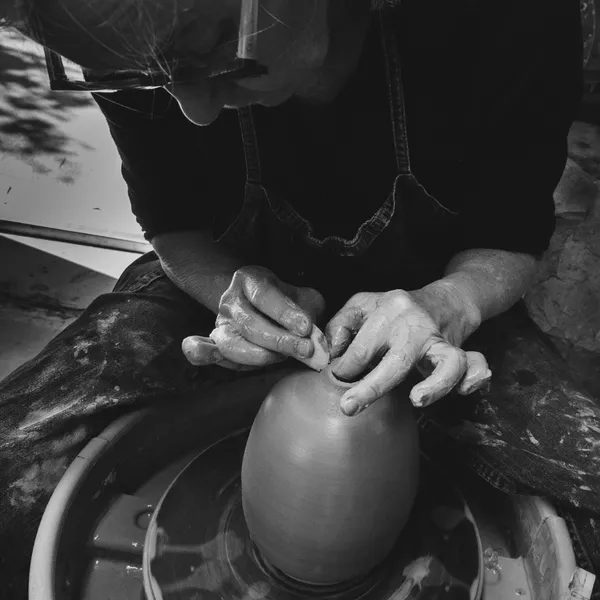
Wet clay offers its own pleasure before a vessel is finished. A rim, a hollow, and the small differences in a curve give hands and eyes plenty to enjoy.

The order of work, including the parts that need another attempt. Notes on revisions, handovers, working versions, and deciding what to carry into the next stage.
Wet clay offers its own pleasure before a vessel is finished. A rim, a hollow, and the small differences in a curve give hands and eyes plenty to enjoy.
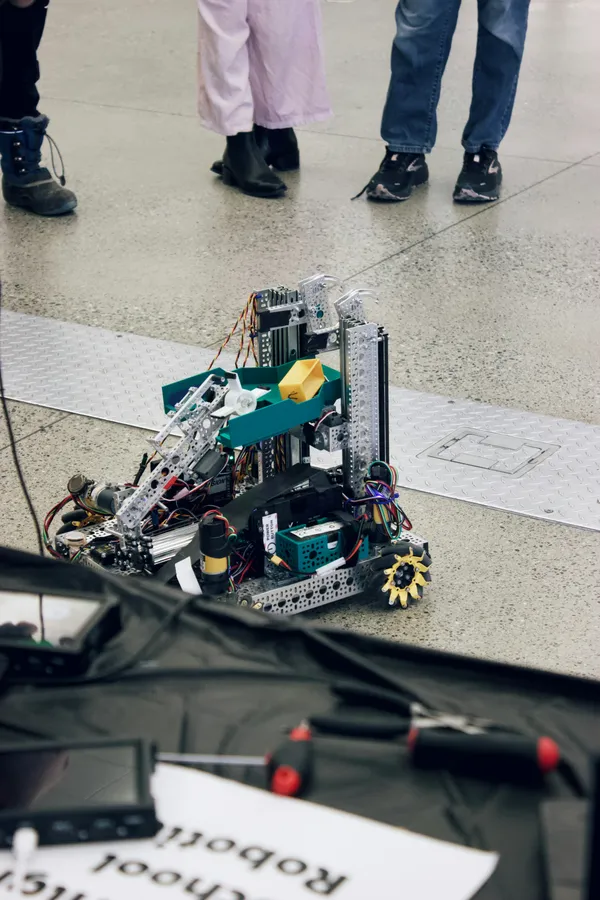
A prototype needs a clear question and a deliberate boundary. Deciding which parts to leave rough gives a team room to test a useful idea before presentation details begin to settle the discussion.
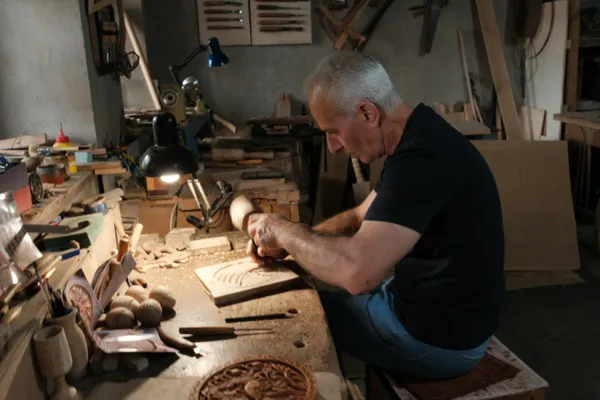
A small carving gives you a reason to return to a familiar table. Grain, unfinished edges, and the feel of wood in the hand can keep a personal project interesting across many ordinary evenings.

The work after a workshop begins with sorting what the room actually agreed to do. A small set of readable notes can keep useful questions alive without giving every idea the weight of a decision.
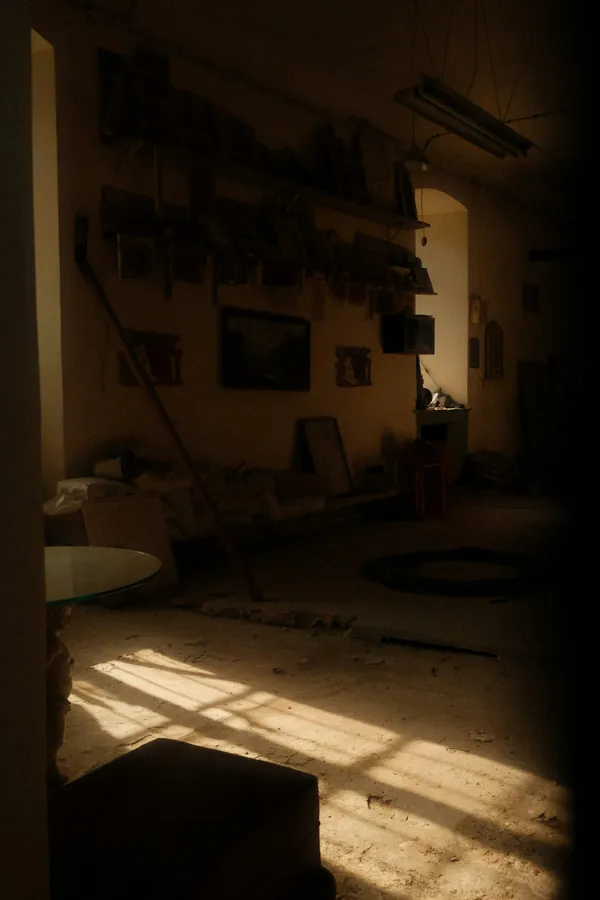
A working wall fills up easily. Keeping it useful takes a little editing: deciding which drawings still matter, where open questions belong, and when a familiar sheet of paper has become part of the furniture.
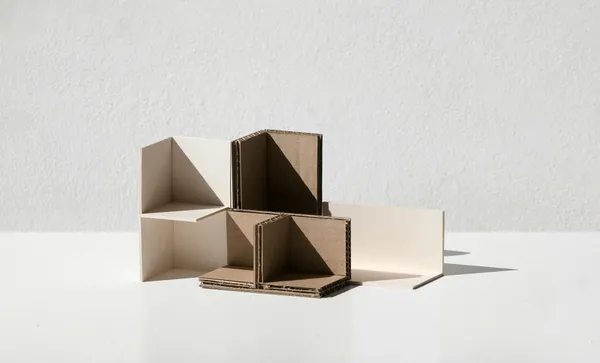
Unfinished work needs somewhere to remain unfinished. A shelf, a wall, or an available corner of the table can give rough versions enough time to be considered without allowing every abandoned experiment to occupy the room.