

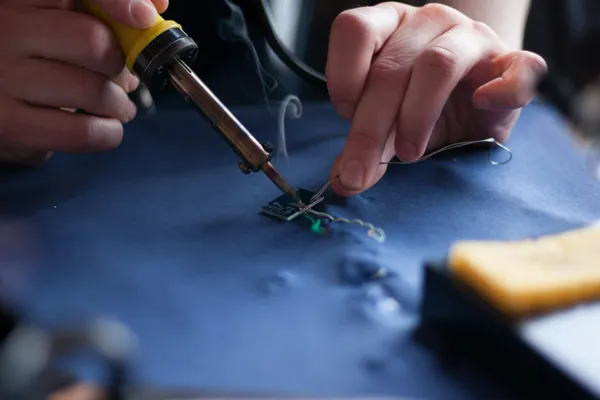
Behind an unfamiliar piece of hardware are hands trying to make something happen. Cardboard, loose controls, and a little imagination can turn a workbench into a place for unlikely inventions.

Objects chosen because they help with a particular job. Close observations of handles, controls, working surfaces, and the things that earn a place within reach.
Behind an unfamiliar piece of hardware are hands trying to make something happen. Cardboard, loose controls, and a little imagination can turn a workbench into a place for unlikely inventions.
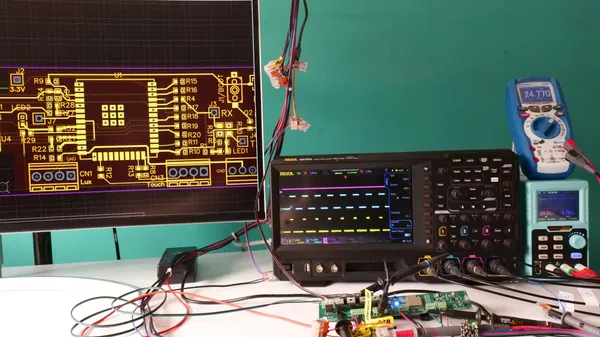
A ruler, a brush, or a pair of scissors can teach us about useful design. Their edges and handles reveal how much an object depends on the hands and habits around it.
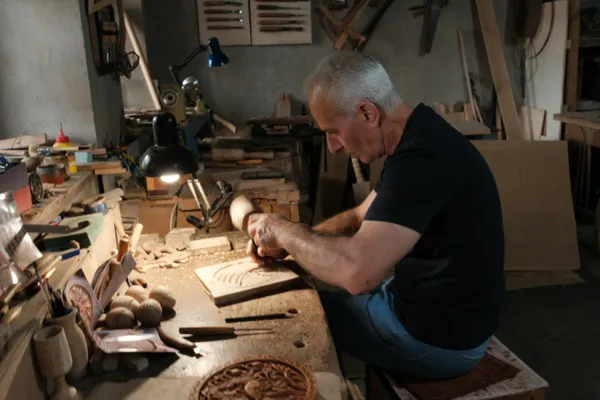
A small carving gives you a reason to return to a familiar table. Grain, unfinished edges, and the feel of wood in the hand can keep a personal project interesting across many ordinary evenings.
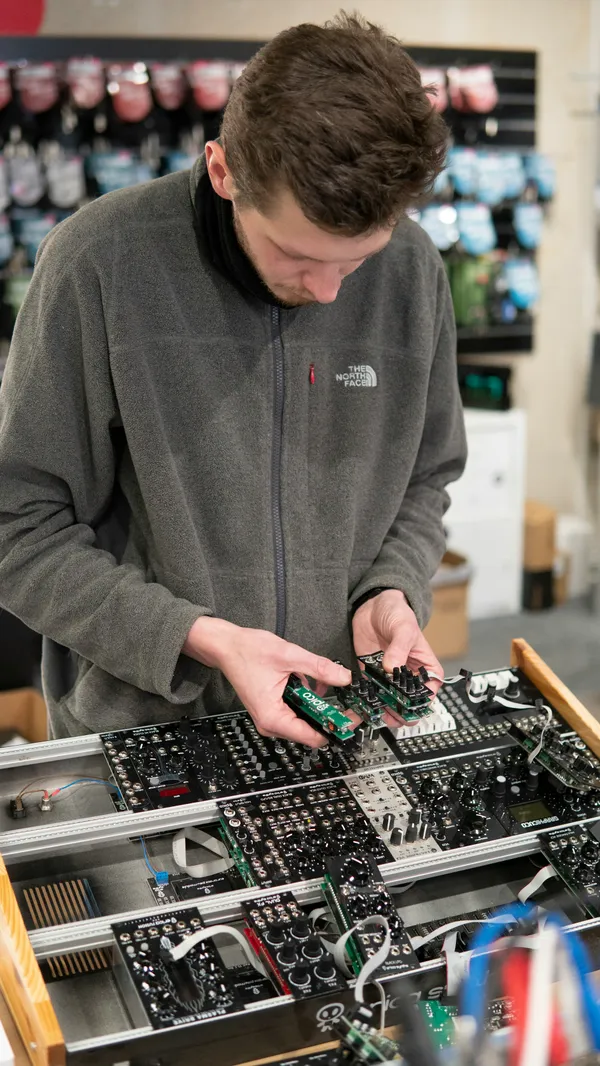
A knob, a switch, and a row of buttons ask for different kinds of attention. Their shapes and positions help explain what an object permits, while the details around them show whether it has heard us.
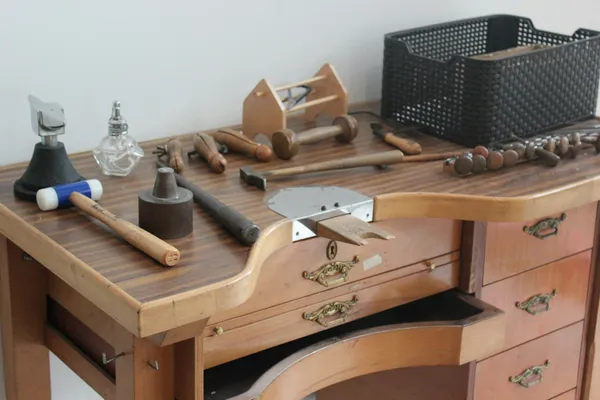
A working room can be read through what remains on the table. The lamp, the unfinished model, and a few practical notes make an ordinary ending useful to the person who returns tomorrow.
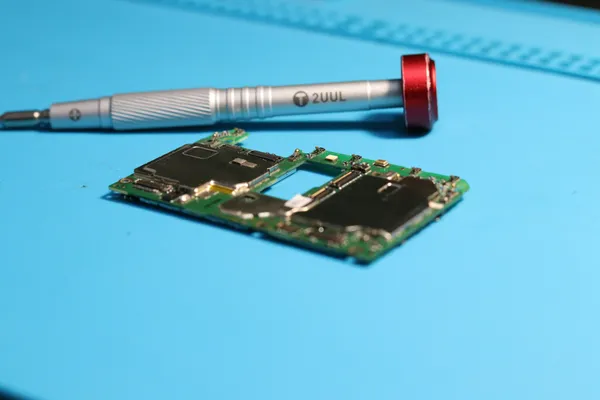
Maintenance begins in the original drawing, with choices about parts, access, and explanation. Looking closely at an ordinary object offers a practical way to discuss what happens after its first period of use.