


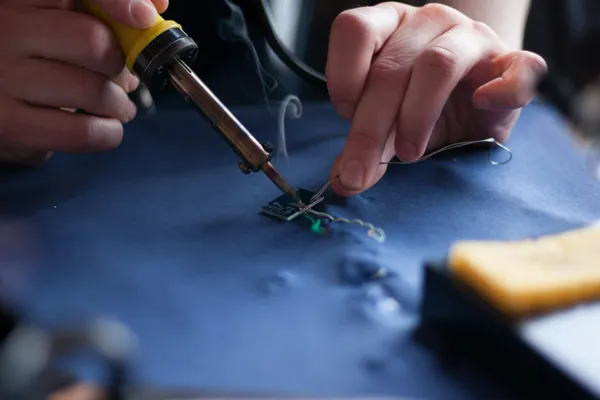
Behind an unfamiliar piece of hardware are hands trying to make something happen. Cardboard, loose controls, and a little imagination can turn a workbench into a place for unlikely inventions.

Damian writes about interfaces, useful tools, and the small details that shape a working day.
Behind an unfamiliar piece of hardware are hands trying to make something happen. Cardboard, loose controls, and a little imagination can turn a workbench into a place for unlikely inventions.
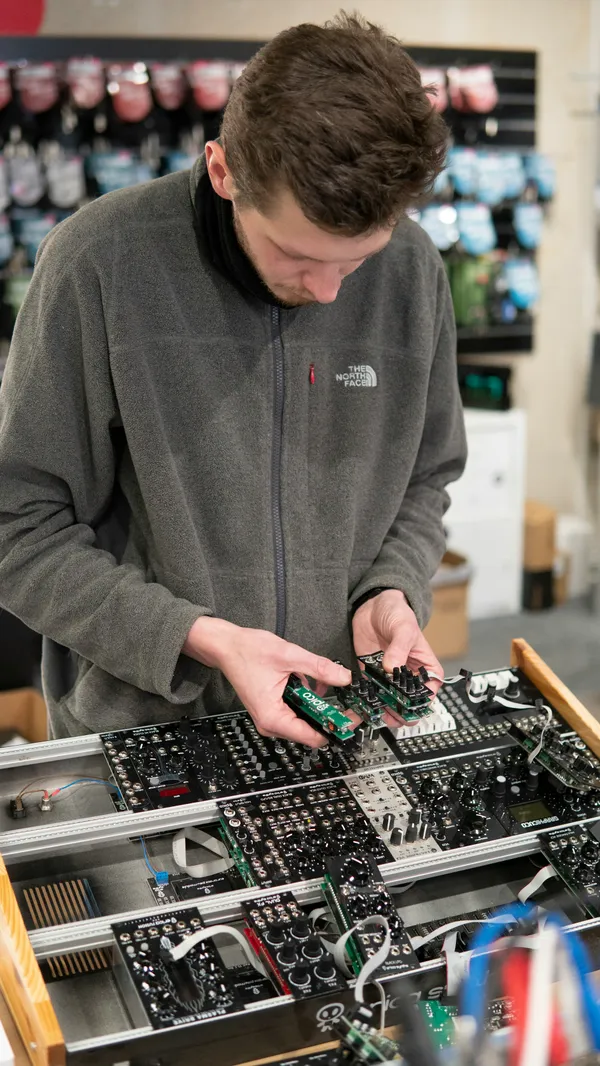
A knob, a switch, and a row of buttons ask for different kinds of attention. Their shapes and positions help explain what an object permits, while the details around them show whether it has heard us.
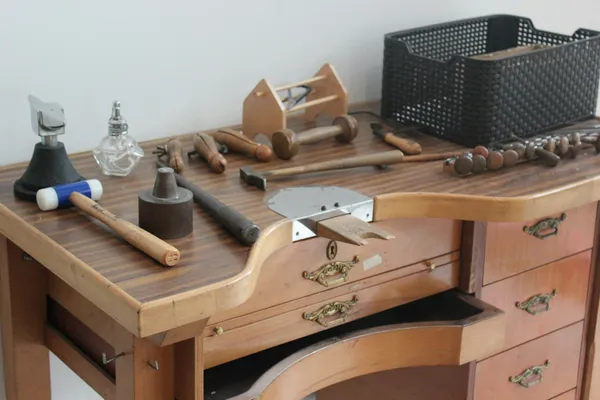
A working room can be read through what remains on the table. The lamp, the unfinished model, and a few practical notes make an ordinary ending useful to the person who returns tomorrow.
A browser tab can hold a useful task or an intention you keep postponing. Writing down what you came to find makes it easier to close the page and return with a reason.

An interface sets a pace through familiar controls, visible progress, and the moment it tells us a task is finished. Looking closely at those transitions reveals where a little patience belongs and where it becomes unnecessary work.
A useful handoff can fit on a small piece of paper. Say where the work stands, explain the next step, and include the detail that would otherwise send someone looking for you before they can begin.