

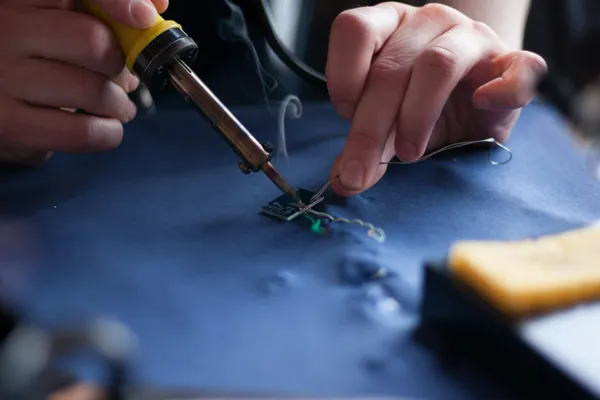
Behind an unfamiliar piece of hardware are hands trying to make something happen. Cardboard, loose controls, and a little imagination can turn a workbench into a place for unlikely inventions.

The choices that give an idea a usable form. Follow drawings, prototypes, and revisions through the details of an object, an interface, or a shared space.
Behind an unfamiliar piece of hardware are hands trying to make something happen. Cardboard, loose controls, and a little imagination can turn a workbench into a place for unlikely inventions.
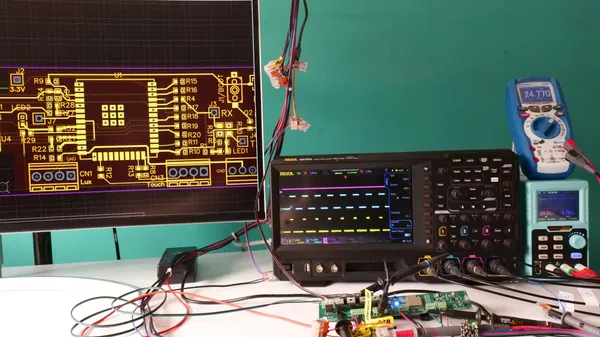
A ruler, a brush, or a pair of scissors can teach us about useful design. Their edges and handles reveal how much an object depends on the hands and habits around it.
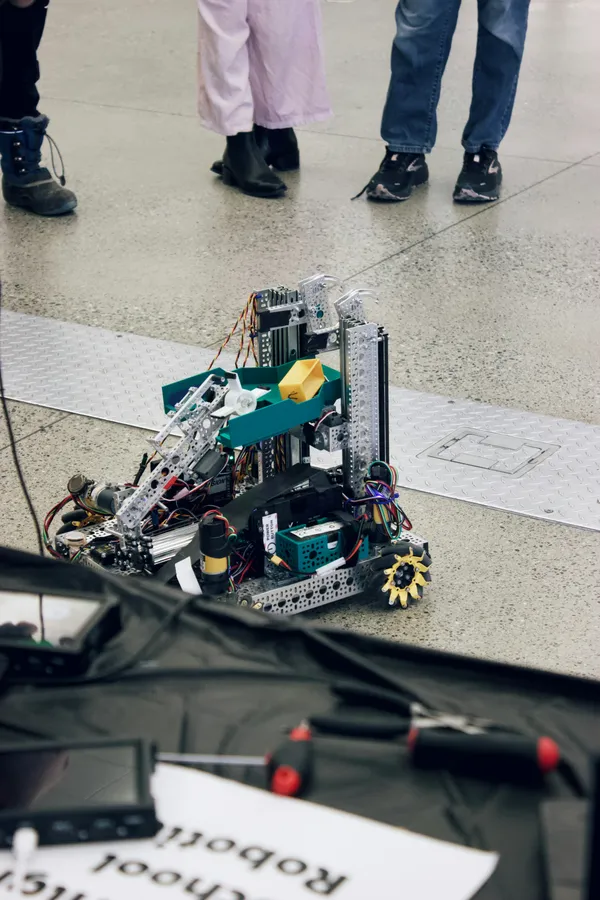
A prototype needs a clear question and a deliberate boundary. Deciding which parts to leave rough gives a team room to test a useful idea before presentation details begin to settle the discussion.
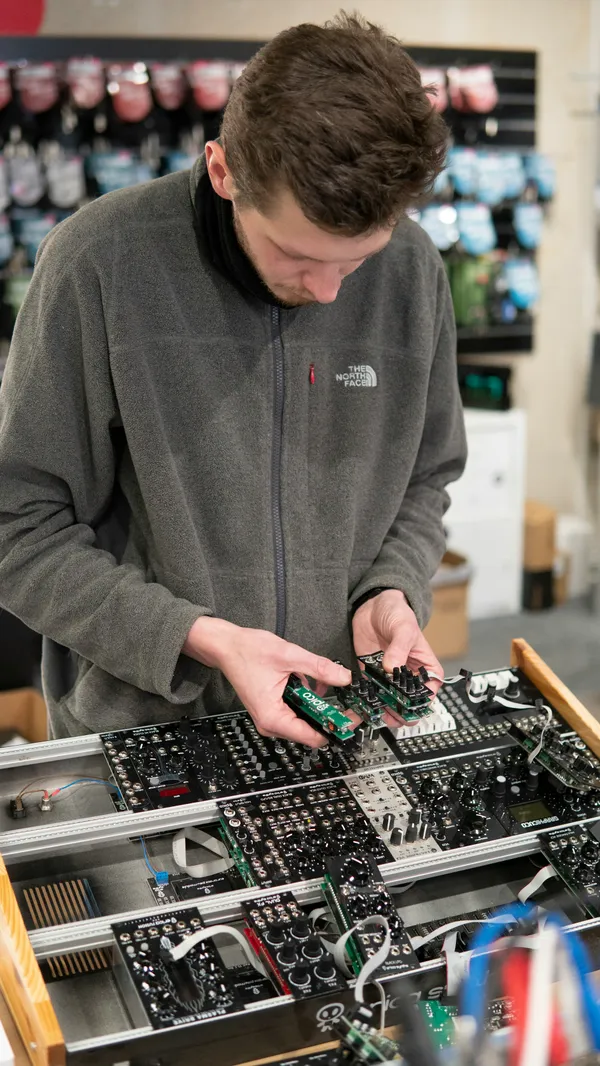
A knob, a switch, and a row of buttons ask for different kinds of attention. Their shapes and positions help explain what an object permits, while the details around them show whether it has heard us.

A shared screen can become a tiny stage for drawing, coding, and making each other laugh. One person moves a shape, another changes its behavior, and the experiment takes an unexpected turn.
A clean drawing can make a complicated plan seem settled. Following the paths on the page reveals the space still missing between its boxes, from the place someone waits to the door they need to open.