


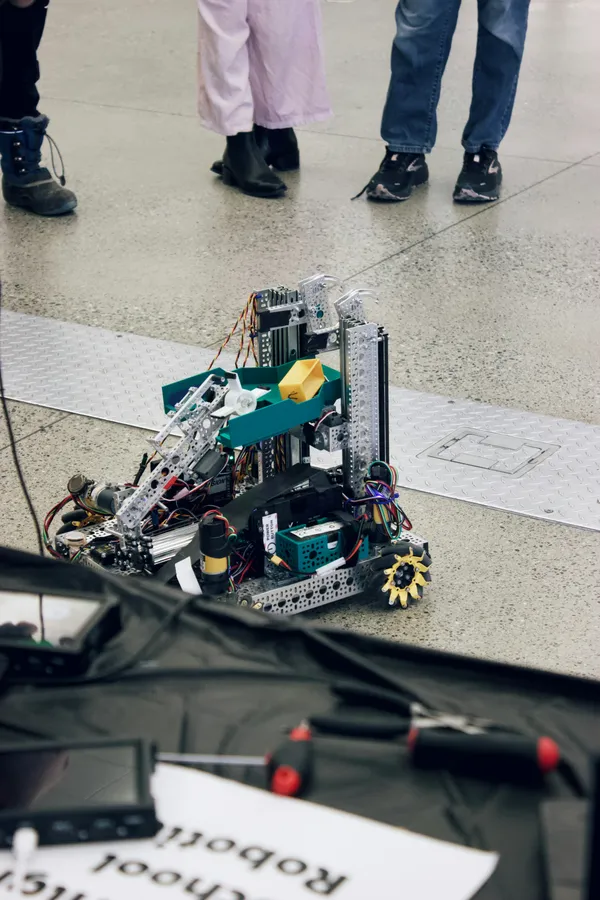
A prototype needs a clear question and a deliberate boundary. Deciding which parts to leave rough gives a team room to test a useful idea before presentation details begin to settle the discussion.

Brenda writes about how ideas become drawings, prototypes, and things that people can use together.
A prototype needs a clear question and a deliberate boundary. Deciding which parts to leave rough gives a team room to test a useful idea before presentation details begin to settle the discussion.
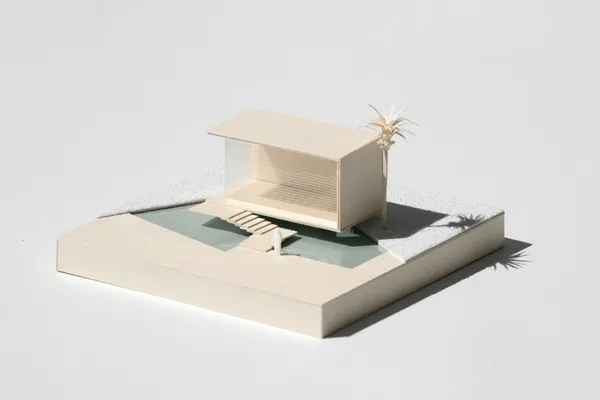
A clean drawing can make a complicated plan seem settled. Following the paths on the page reveals the space still missing between its boxes, from the place someone waits to the door they need to open.
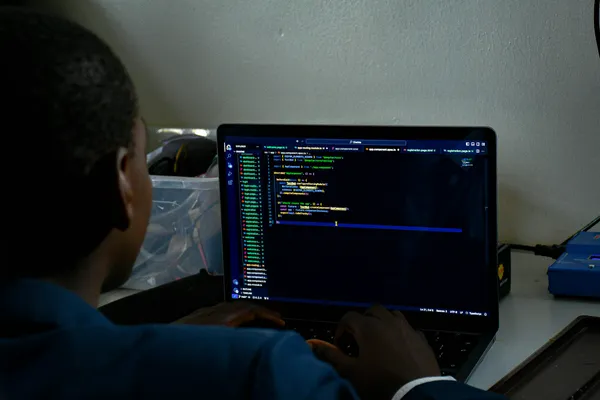
Code can make a sound, move a shape, or change the color of a room on screen. Writing it where other people can follow brings a playful uncertainty to the act of making.
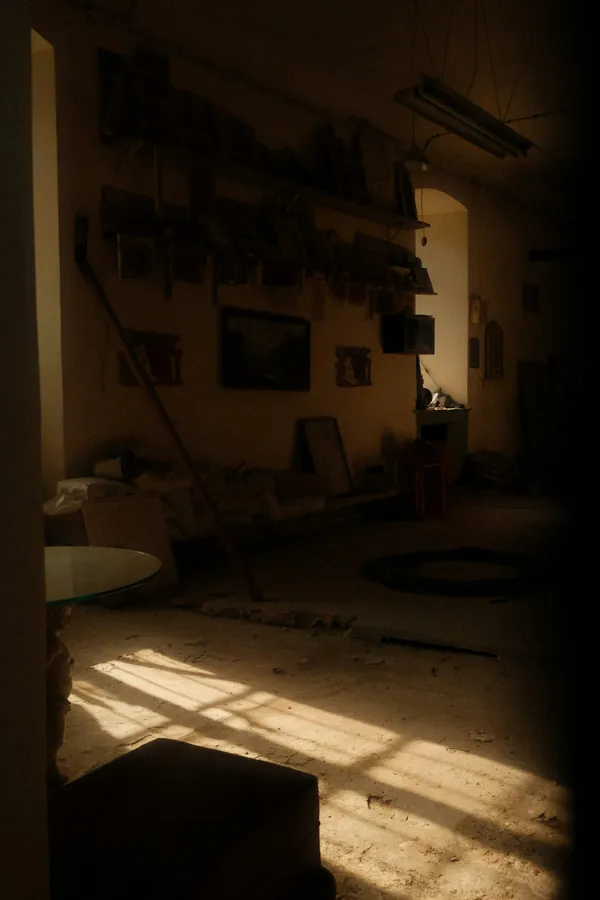
A working wall fills up easily. Keeping it useful takes a little editing: deciding which drawings still matter, where open questions belong, and when a familiar sheet of paper has become part of the furniture.
A revision goes better when the current version has been read carefully. Before moving another line, sort observations from suggestions and decide which question the next draft is meant to answer for the people reviewing it.