
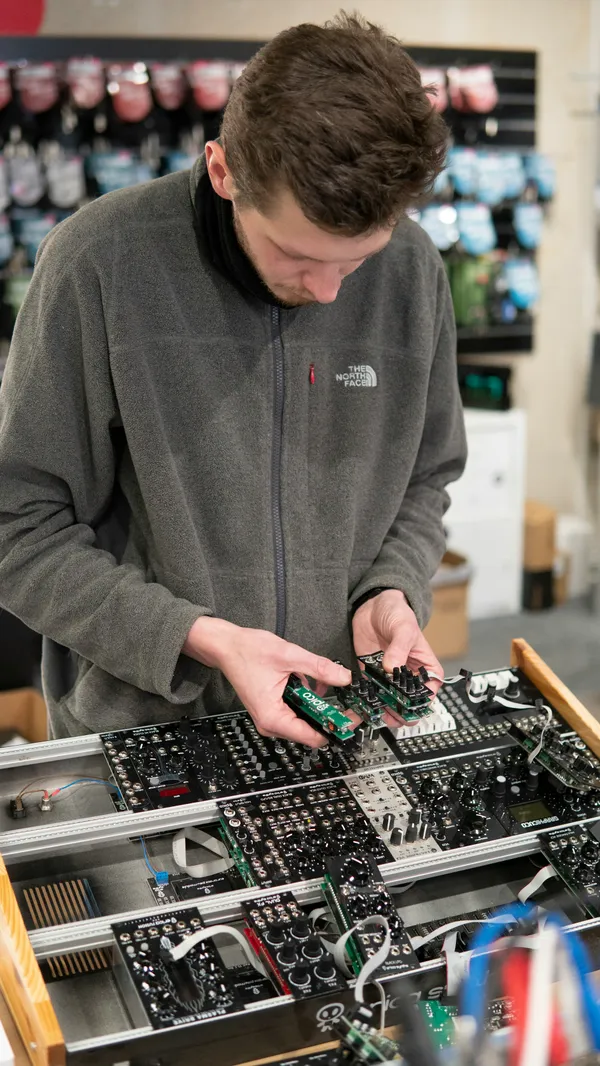
A knob, a switch, and a row of buttons ask for different kinds of attention. Their shapes and positions help explain what an object permits, while the details around them show whether it has heard us.

The points where a person meets a system. Notes on labels, controls, feedback, and the small sequences that make a device or a task understandable.
A knob, a switch, and a row of buttons ask for different kinds of attention. Their shapes and positions help explain what an object permits, while the details around them show whether it has heard us.
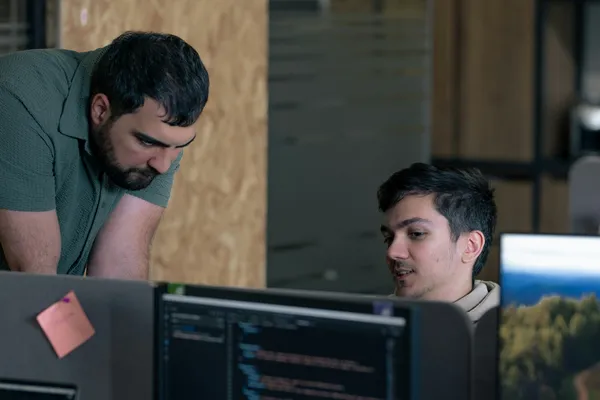
A shared screen can become a tiny stage for drawing, coding, and making each other laugh. One person moves a shape, another changes its behavior, and the experiment takes an unexpected turn.
A browser tab can hold a useful task or an intention you keep postponing. Writing down what you came to find makes it easier to close the page and return with a reason.
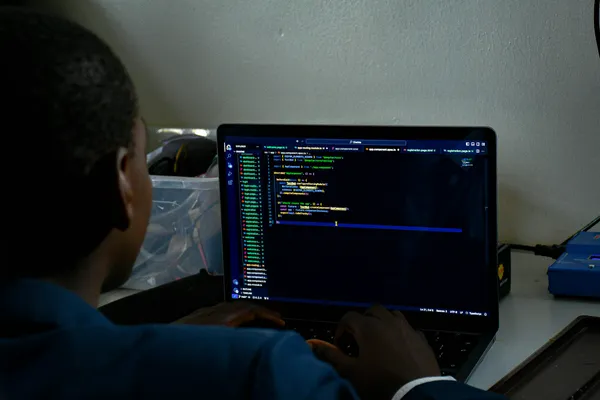
Code can make a sound, move a shape, or change the color of a room on screen. Writing it where other people can follow brings a playful uncertainty to the act of making.

The first encounter with a device is full of small discoveries. A hand finds a control, a response arrives, and an unfamiliar object becomes something a person can play with.
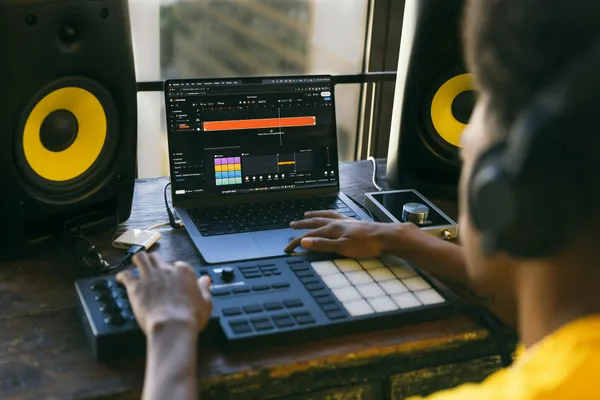
An interface sets a pace through familiar controls, visible progress, and the moment it tells us a task is finished. Looking closely at those transitions reveals where a little patience belongs and where it becomes unnecessary work.