
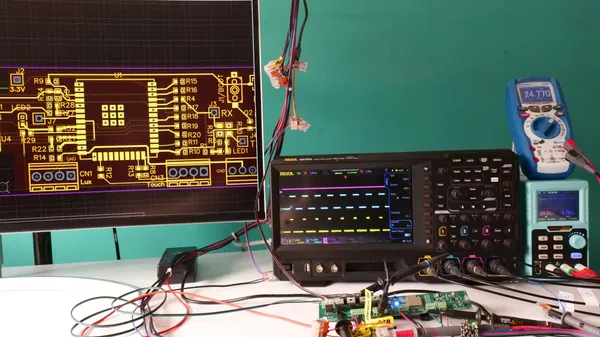
A ruler, a brush, or a pair of scissors can teach us about useful design. Their edges and handles reveal how much an object depends on the hands and habits around it.

A camera, a bowl, a book, or a familiar piece of equipment. Stories about the shapes we handle and the different uses an ordinary object can acquire.
A ruler, a brush, or a pair of scissors can teach us about useful design. Their edges and handles reveal how much an object depends on the hands and habits around it.
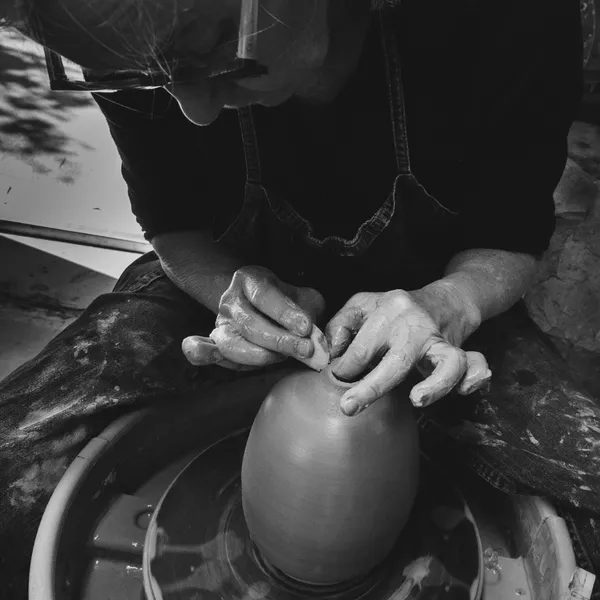
Wet clay offers its own pleasure before a vessel is finished. A rim, a hollow, and the small differences in a curve give hands and eyes plenty to enjoy.
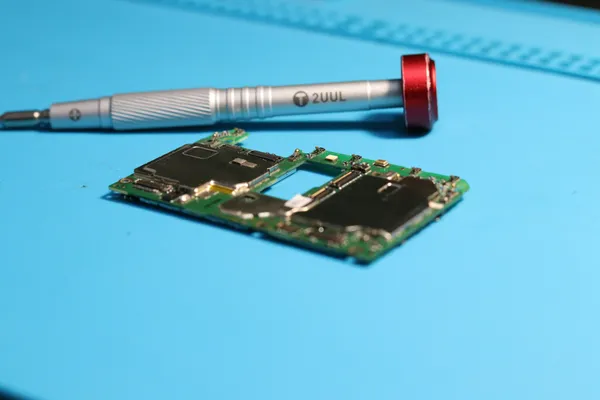
Maintenance begins in the original drawing, with choices about parts, access, and explanation. Looking closely at an ordinary object offers a practical way to discuss what happens after its first period of use.
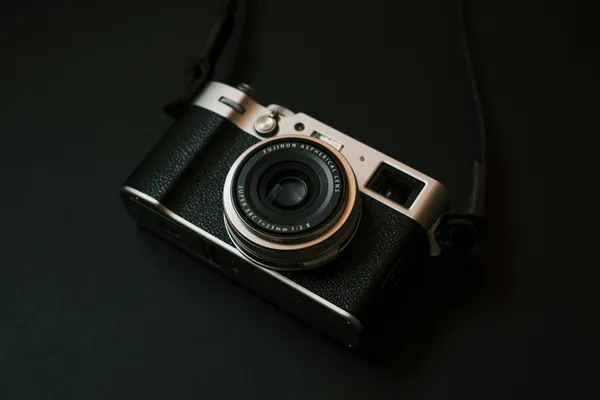
A tray leaves the desk, a lamp turns toward a different task, and the office chair joins another table. Ordinary work objects sometimes earn their place through the less official jobs they can do after hours.

The first encounter with a device is full of small discoveries. A hand finds a control, a response arrives, and an unfamiliar object becomes something a person can play with.
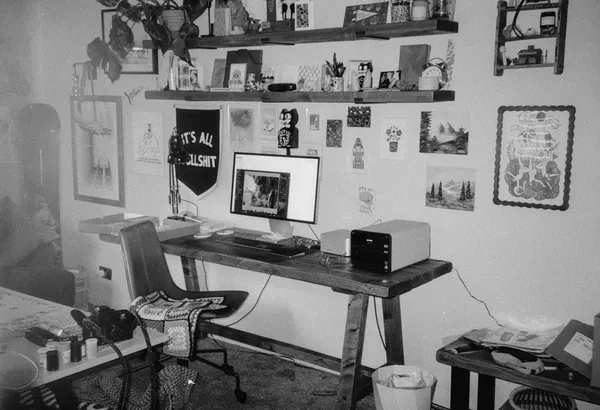
The books beside a desk can earn their space through use. A manual, a marked reference, and a few humble objects make a shelf that supports unfinished work without needing to tell a larger story.