

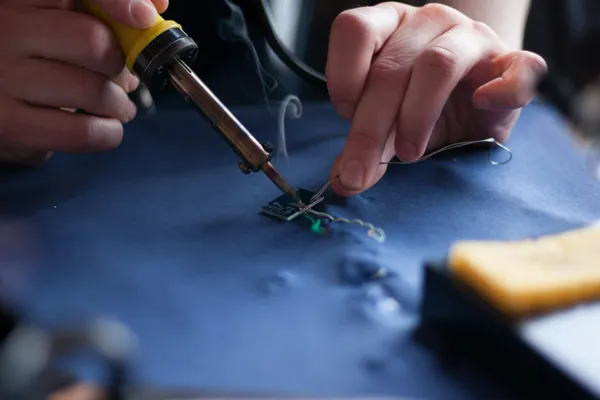
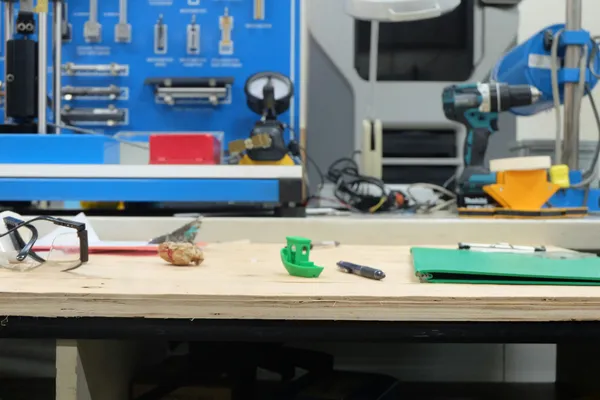
Behind an unfamiliar piece of hardware are hands trying to make something happen. Cardboard, loose controls, and a little imagination can turn a workbench into a place for unlikely inventions.

Early versions with something left to resolve. Stories about making an idea available to touch, compare, question, and change before its shape becomes too settled.
Behind an unfamiliar piece of hardware are hands trying to make something happen. Cardboard, loose controls, and a little imagination can turn a workbench into a place for unlikely inventions.
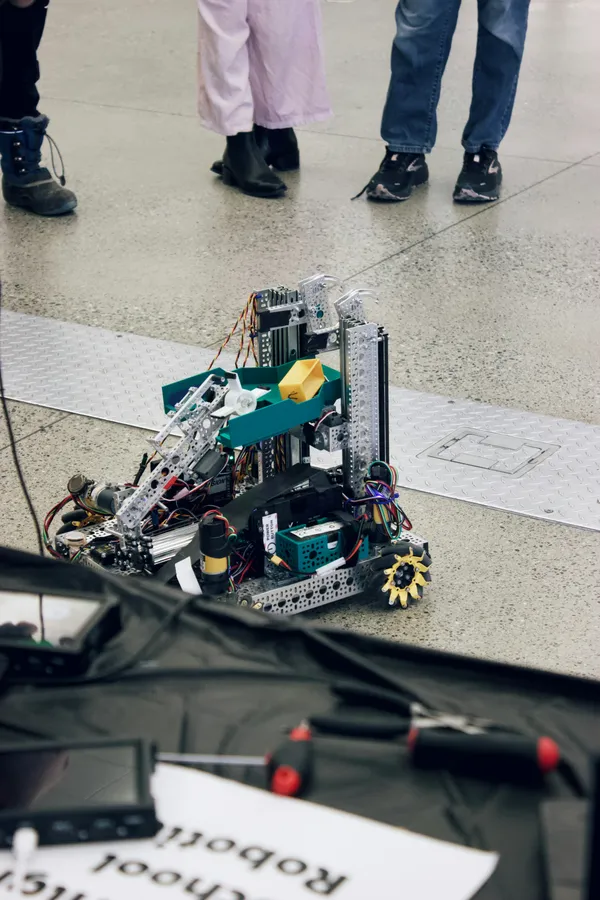
A prototype needs a clear question and a deliberate boundary. Deciding which parts to leave rough gives a team room to test a useful idea before presentation details begin to settle the discussion.
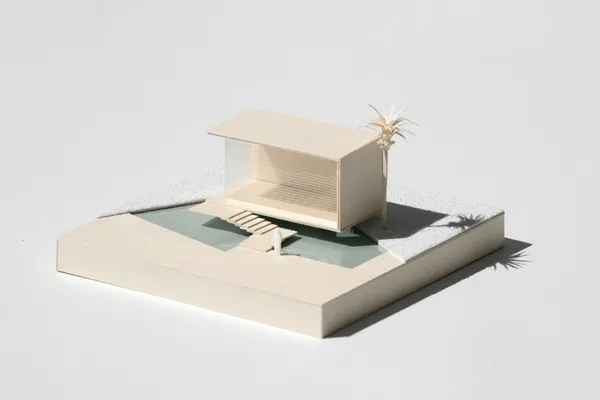
A clean drawing can make a complicated plan seem settled. Following the paths on the page reveals the space still missing between its boxes, from the place someone waits to the door they need to open.
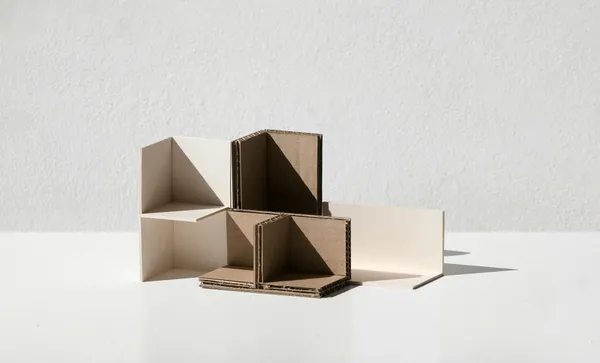
Unfinished work needs somewhere to remain unfinished. A shelf, a wall, or an available corner of the table can give rough versions enough time to be considered without allowing every abandoned experiment to occupy the room.
A revision goes better when the current version has been read carefully. Before moving another line, sort observations from suggestions and decide which question the next draft is meant to answer for the people reviewing it.