

The work after a workshop begins with sorting what the room actually agreed to do. A small set of readable notes can keep useful questions alive without giving every idea the weight of a decision.

Work carried between people, through a conversation, a shared drawing, or a well-placed note. Essays on making an idea clear enough for someone else to continue.
The work after a workshop begins with sorting what the room actually agreed to do. A small set of readable notes can keep useful questions alive without giving every idea the weight of a decision.
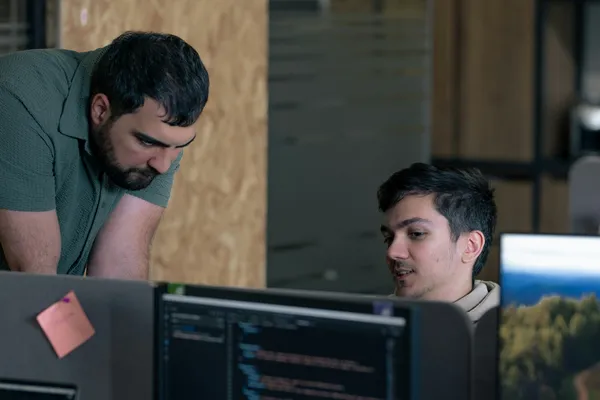
A shared screen can become a tiny stage for drawing, coding, and making each other laugh. One person moves a shape, another changes its behavior, and the experiment takes an unexpected turn.
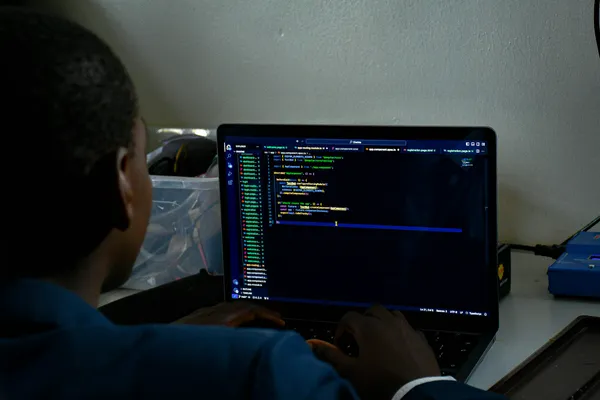
Code can make a sound, move a shape, or change the color of a room on screen. Writing it where other people can follow brings a playful uncertainty to the act of making.
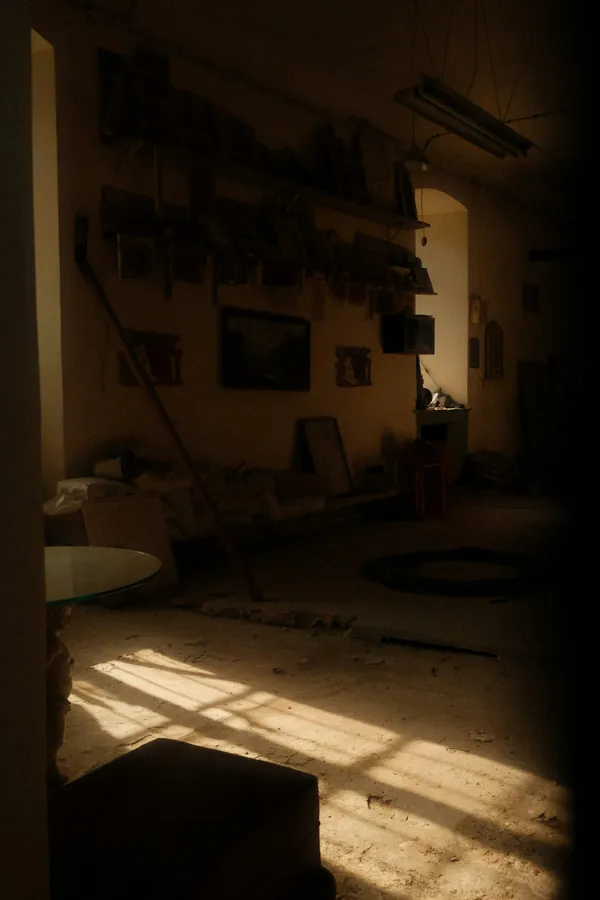
A working wall fills up easily. Keeping it useful takes a little editing: deciding which drawings still matter, where open questions belong, and when a familiar sheet of paper has become part of the furniture.
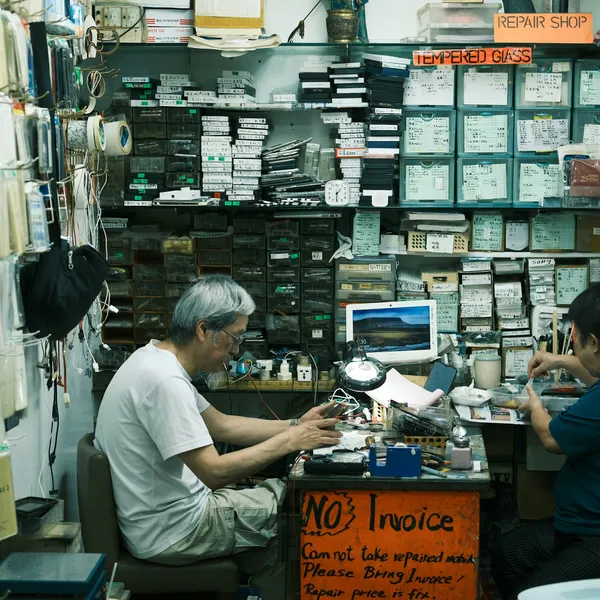
Small meetings become easier to prepare when the decision is specific. A page review, a room plan, and an unfinished question show how a group can use its time together with more care.
A useful handoff can fit on a small piece of paper. Say where the work stands, explain the next step, and include the detail that would otherwise send someone looking for you before they can begin.