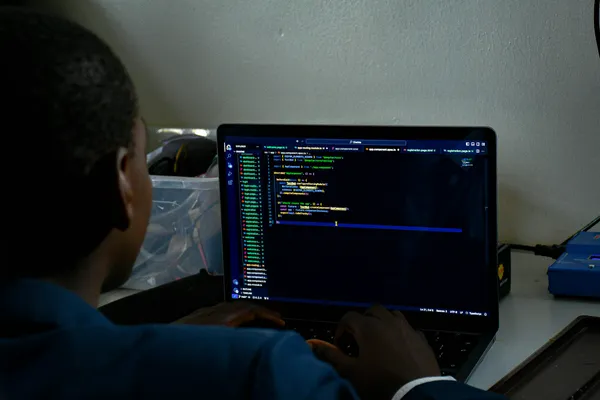
Change a number and the beat comes back sooner. Change it again and the pattern almost trips over itself. In a small musical program, a line of code can sit close enough to its result that you can hear the decision happening. The text on the screen becomes part of the performance, with every adjustment available to the people watching.
That is a tempting way to approach programming, especially if the first things you want to make are sounds or moving pictures. A loop can repeat a note. A few changing values can send a shape across a blank field. The result gives the next edit a direction. You hear something too regular or notice a movement you would like to interrupt, then return to the words that made it happen.
Working in front of another person adds an enjoyable complication. They can see the hesitant cursor and the value you keep changing back. They may hear a possibility you missed, or ask what would happen if the pattern slowed down while the picture kept moving. You can try the suggestion while it is still fresh. The code remains visible as the little machine that produces the experiment, including the parts you have yet to understand well enough to explain. There is something appealing about letting the attempt be seen before it has acquired a polished ending.