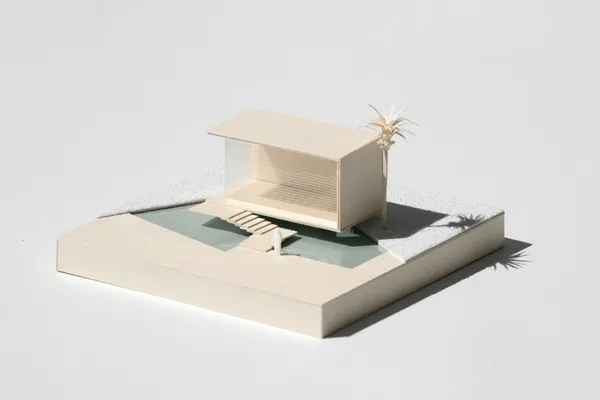
A city is difficult to describe from a single distance. Far away, buildings become shapes against the sky. Closer in, a tower breaks into floors and panes of glass. At street level, the same building becomes a door you need to find, a wall you walk beside, or a stretch of shelter when the weather changes. Each view leaves something out of the others.
I’m interested in the point where those views meet. A tall building may have a clear identity in the skyline while its base is hard to distinguish from the neighboring block. A modest passage may matter very little to the distant composition yet determine how someone gets to the next street. Scale changes the questions we ask, and the city keeps offering more than one answer.
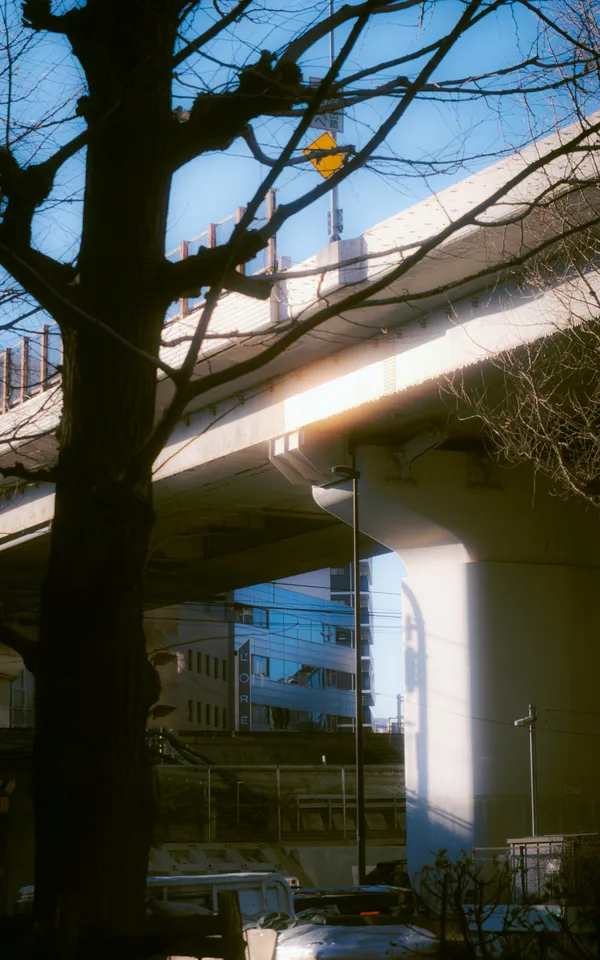
Take glass and concrete as a starting pair. In a photograph, their contrast can seem complete: reflection against weight, a smooth surface against a textured one. Walking near them adds other relationships. An opening changes the edge of the pavement. A concrete overhang marks a threshold. A pane of glass reflects a building that stands outside the frame. The materials are already part of a larger arrangement.
The buildings behind the reflection
A reflection is a view assembled by where you stand. Move a few steps and another building appears in the glass. The same surface can show sky, a nearby wall, and a partial glimpse of its own interior. I enjoy this uncertainty, provided we don’t mistake it for a full description of the place. A photograph of a façade is an encounter with a surface from one position.
The buildings beyond that surface still have their own entrances and daily uses. A glass office tower and a concrete structure next to it might look like a tidy visual contrast while sharing an awkward approach from the street. To understand that relationship, I would want a plan and a walk through the space between them. The difference in materials starts the discussion. The route gives it another purpose.
The spaces between buildings deserve descriptions of their own. A narrow opening may be a public route, an entrance to a private courtyard, or a gap that people simply look into as they pass. Its appearance alone won’t establish which. Signs, boundaries, and the way the opening meets the sidewalk help people decide whether they can enter. The city asks us to read these cues constantly.
It’s worth being precise about that uncertainty in a design conversation. Calling a passage inviting says how it looks to the speaker. Asking how a first visitor knows it is open raises a question someone can investigate. The answer might involve a sign, a door, a change to the plan, or an explanation of hours. Each makes a different demand on the place and the people responsible for it.
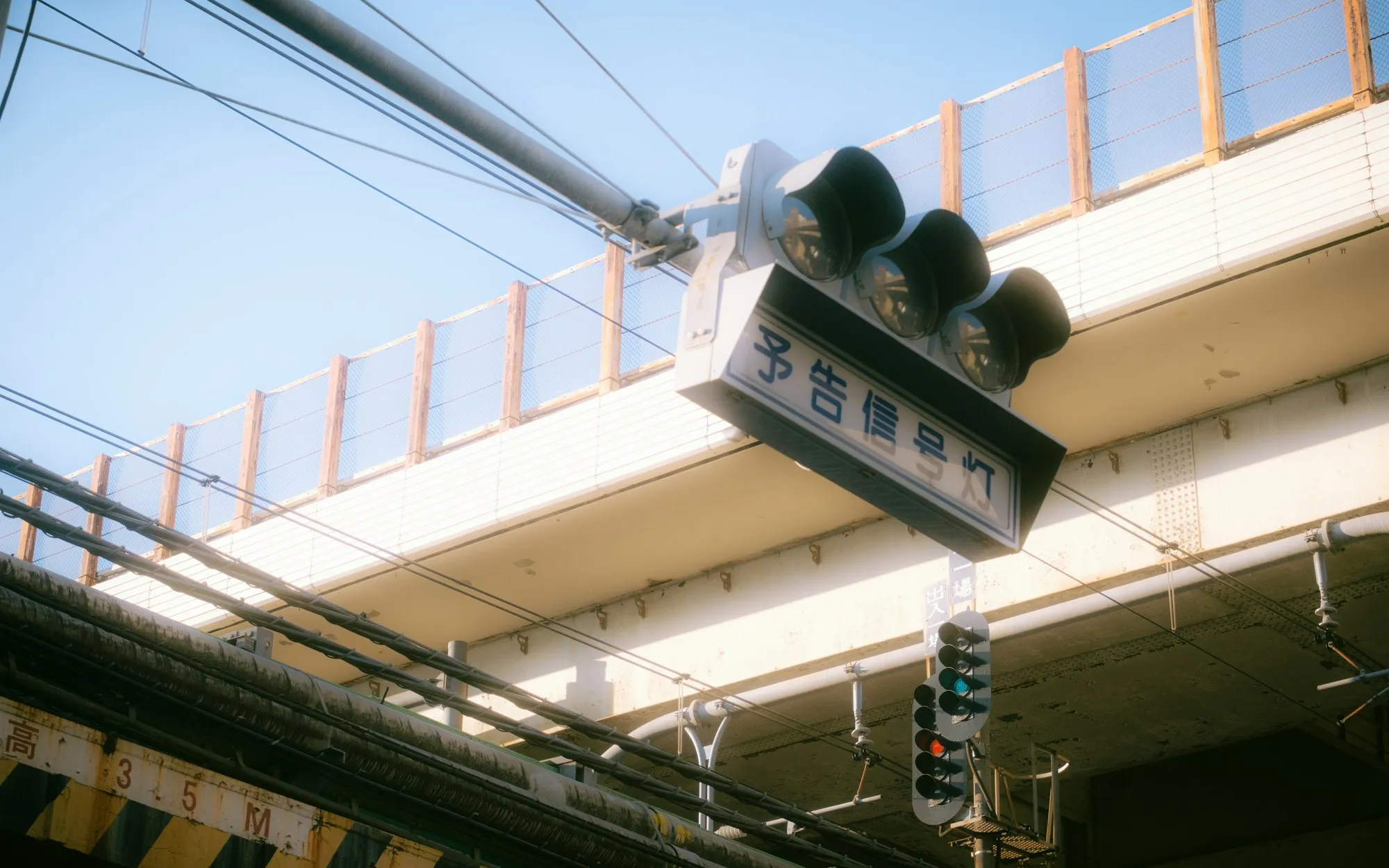
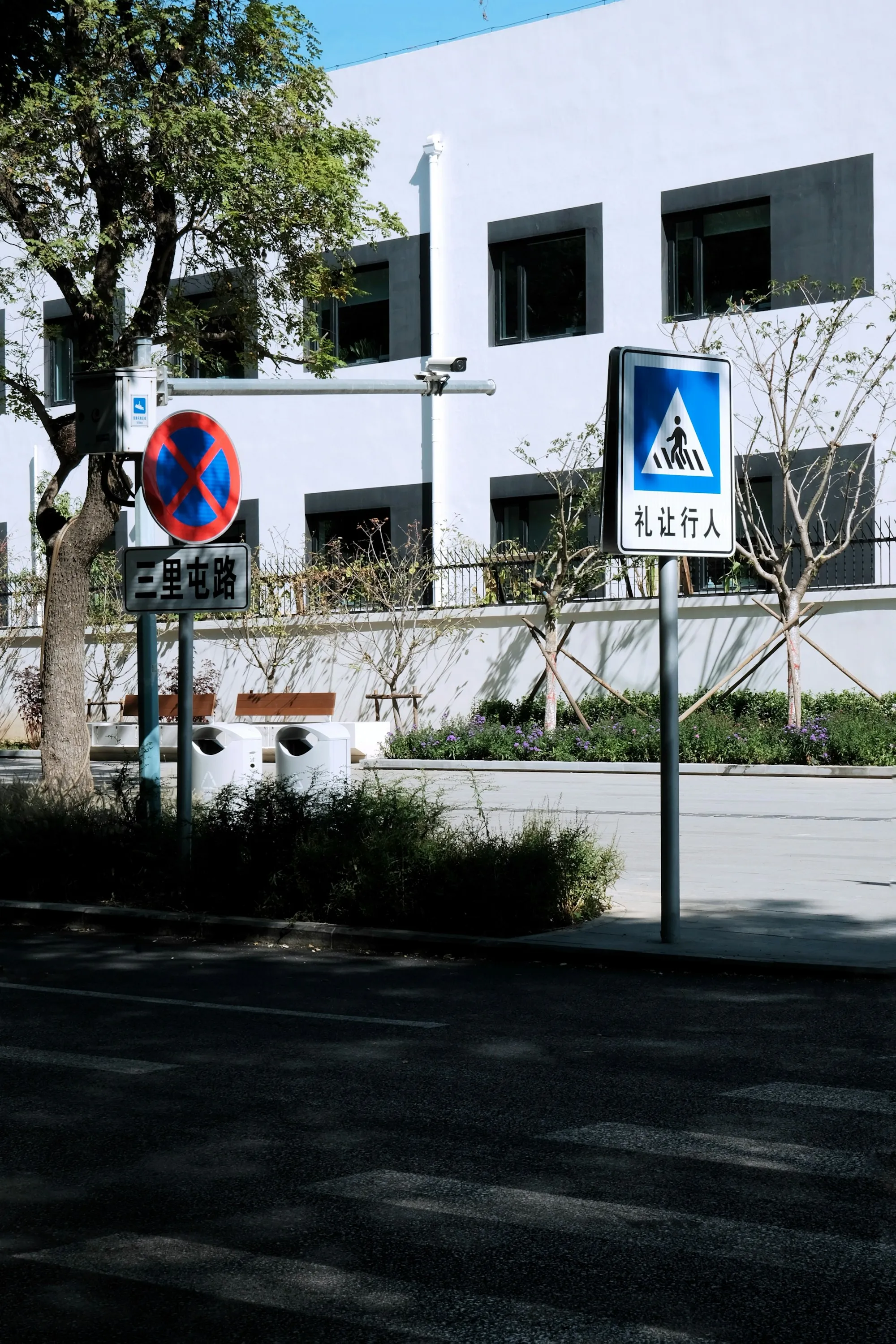
Following a route through the block
Imagine approaching a shared building from the side street rather than the main avenue. The entrance may become visible only after a turn. A change in paving might direct you toward it, or it might simply mark a property boundary. Draw the route and note where a person must choose a direction. This brings the discussion down from the whole block to a series of ordinary decisions.
A route has pauses. Someone checks an address, waits for a friend, or moves aside to answer a call. These pauses need space just as movement does. A drawing full of arrows can make everyone appear continuously in transit. Adding a few stationary people changes how a doorway or a forecourt is evaluated.
A route has pauses. Someone checks an address, waits for a friend, or moves aside to answer a call. These pauses need space just as movement does. A drawing full of arrows can make everyone appear continuously in transit. Adding a few stationary people changes how a doorway or a forecourt is evaluated.
I like looking for the places where one project meets the next. There may be a step, a drainage channel, a fence, or a change in the height of a wall. Each can be entirely understandable within an individual drawing and awkward when encountered as part of a continuous walk. The seam between projects deserves a review from both sides, with someone following the route across it.
A street can hold distinct materials and periods of construction while offering an understandable way through. The question is how one edge meets another and what someone must do at the join. A different surface can be pleasant to notice. An unexplained interruption in a route asks the pedestrian to solve a problem the plan may have overlooked.
The slower layer
Cities also contain things that take longer to notice. A set of steps may offer somewhere to wait while a nearby wall limits the view of an approaching person. A sheltered recess can feel generous from one direction and obscure from another. Looking slowly allows these relationships to coexist in the description. We don’t have to settle immediately on a single adjective for the whole space.
The same patience helps when considering an older structure beside a newer one. The difference in appearance can be useful, giving a route recognizable points along the way. Keeping a familiar wall or entrance may also preserve a reference that people use in directions. Whether it makes sense in a particular project needs its own discussion, including the practical condition and purpose of what is already there.
A section drawing offers another way to connect the scales. It can place an occupied room above a passage and show how the passage opens toward the street. Put a person at each level and ask what each one can see. The exercise doesn’t establish how the finished place will feel, but it can make a hidden relationship available for discussion. It is especially useful when a beautiful exterior view has made the ground beneath it difficult to imagine.
A broad view has a place in that discussion. It can show how a proposal joins the block or changes the edge of the skyline. I would put it beside closer views that show an entrance, a crossing between projects, and a place to pause. The different scales can check one another. A satisfying distant composition then has to meet the questions raised by a person at the door.
When I return to an architectural photograph after thinking through those routes, I find more to look at. The strip of pavement at the bottom matters. So does the dark opening between two bright surfaces. A picture can hold the beginning of many practical questions, as long as we leave room for what sits beyond its frame and for the people whose journeys continue across it.