
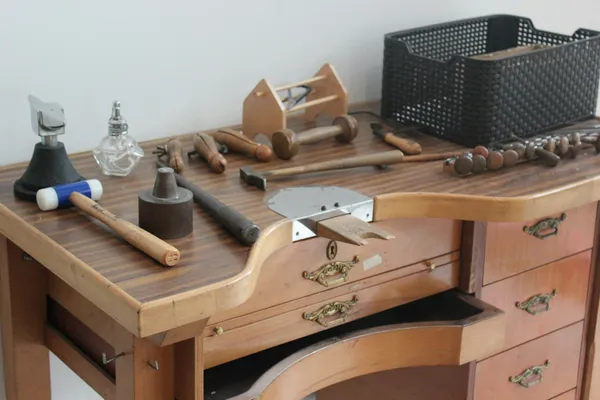
A working room can be read through what remains on the table. The lamp, the unfinished model, and a few practical notes make an ordinary ending useful to the person who returns tomorrow.

Rooms and surfaces arranged around the things people do. Studios, offices, meeting places, and the small changes that make space for a particular kind of work.
A working room can be read through what remains on the table. The lamp, the unfinished model, and a few practical notes make an ordinary ending useful to the person who returns tomorrow.

Glass towers and concrete passages belong to the same city, though we often describe them separately. Looking at the spaces between buildings brings the ordinary work of arrival, waiting, and passage into view.
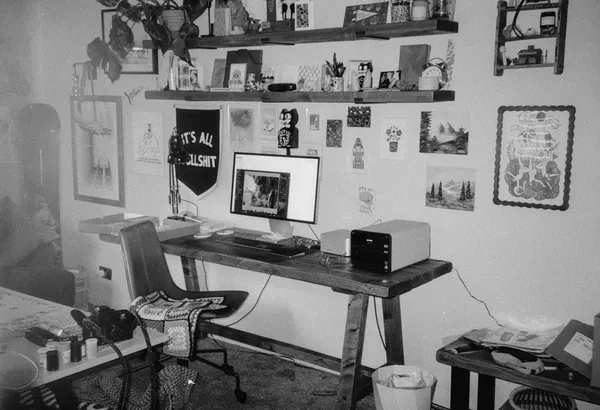
The books beside a desk can earn their space through use. A manual, a marked reference, and a few humble objects make a shelf that supports unfinished work without needing to tell a larger story.
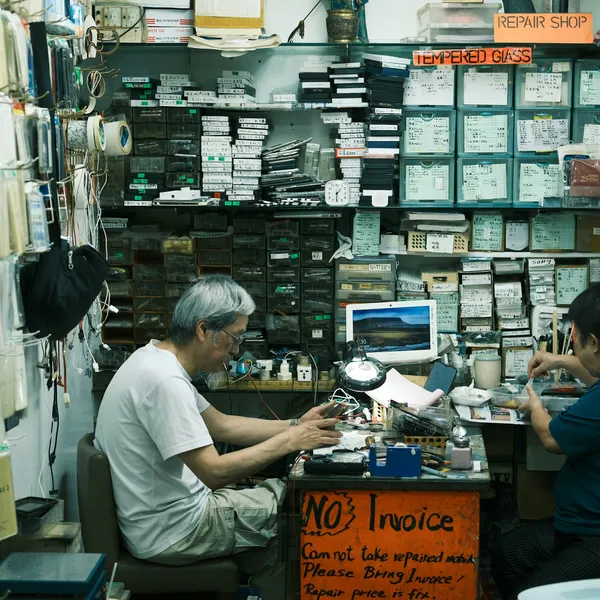
Small meetings become easier to prepare when the decision is specific. A page review, a room plan, and an unfinished question show how a group can use its time together with more care.
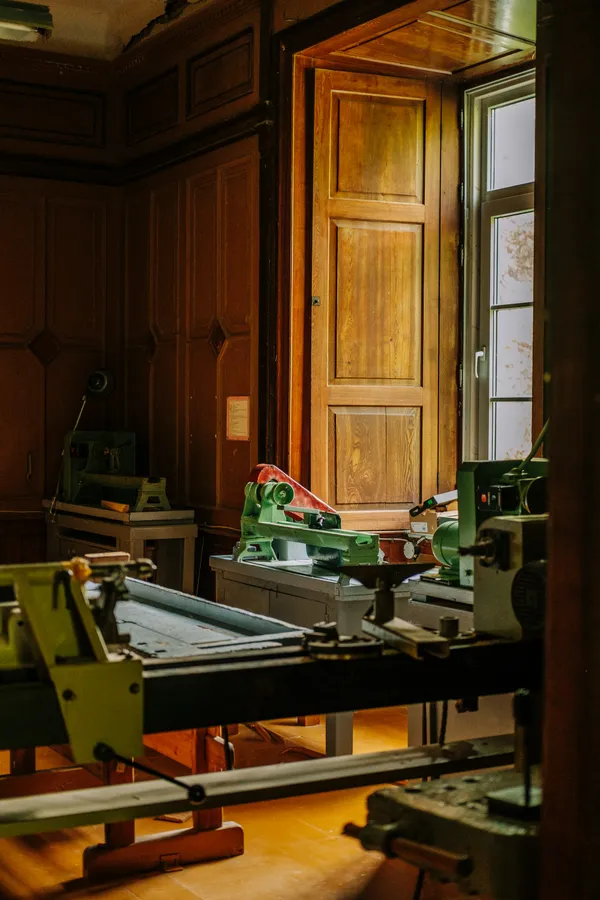
Light changes the appearance of a working room without moving a single piece of furniture. Paying attention to those ordinary changes can help a desk, a blind, and a reading lamp find more useful positions.