

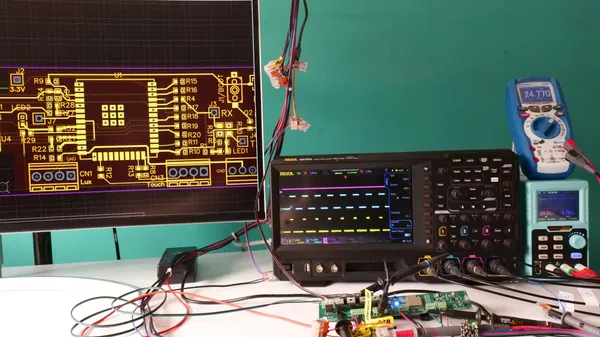
A ruler, a brush, or a pair of scissors can teach us about useful design. Their edges and handles reveal how much an object depends on the hands and habits around it.

Breana follows objects from the workbench into everyday use, with an eye for materials, repair, and good practical ideas.
A ruler, a brush, or a pair of scissors can teach us about useful design. Their edges and handles reveal how much an object depends on the hands and habits around it.
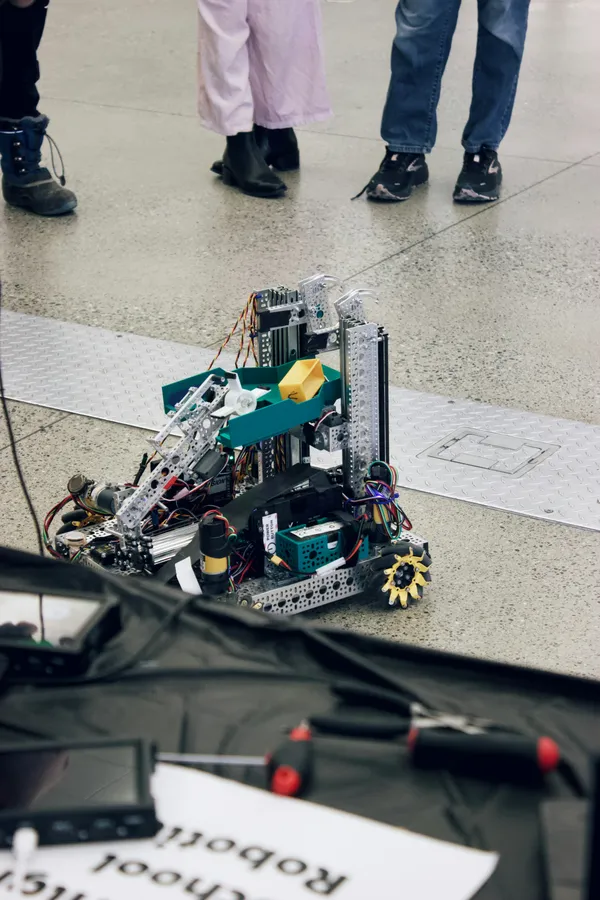
A prototype needs a clear question and a deliberate boundary. Deciding which parts to leave rough gives a team room to test a useful idea before presentation details begin to settle the discussion.
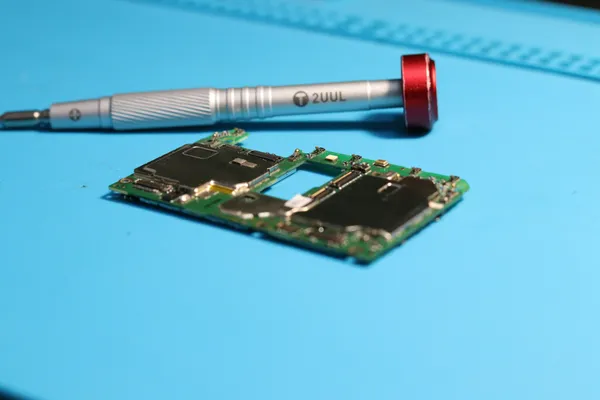
Maintenance begins in the original drawing, with choices about parts, access, and explanation. Looking closely at an ordinary object offers a practical way to discuss what happens after its first period of use.
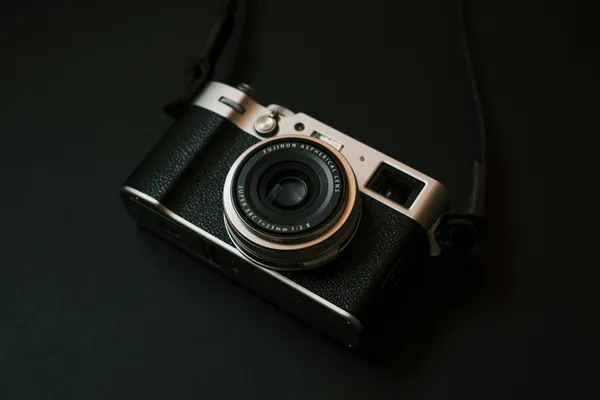
A tray leaves the desk, a lamp turns toward a different task, and the office chair joins another table. Ordinary work objects sometimes earn their place through the less official jobs they can do after hours.
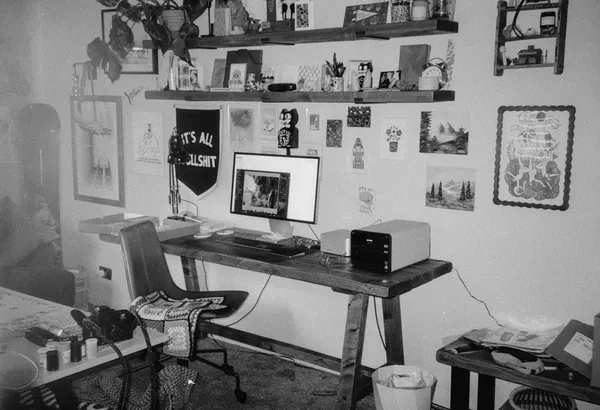
The books beside a desk can earn their space through use. A manual, a marked reference, and a few humble objects make a shelf that supports unfinished work without needing to tell a larger story.
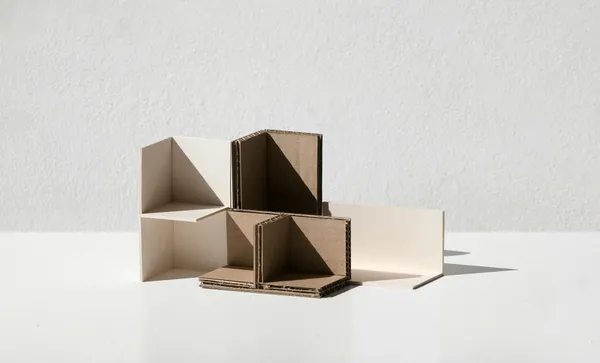
Unfinished work needs somewhere to remain unfinished. A shelf, a wall, or an available corner of the table can give rough versions enough time to be considered without allowing every abandoned experiment to occupy the room.