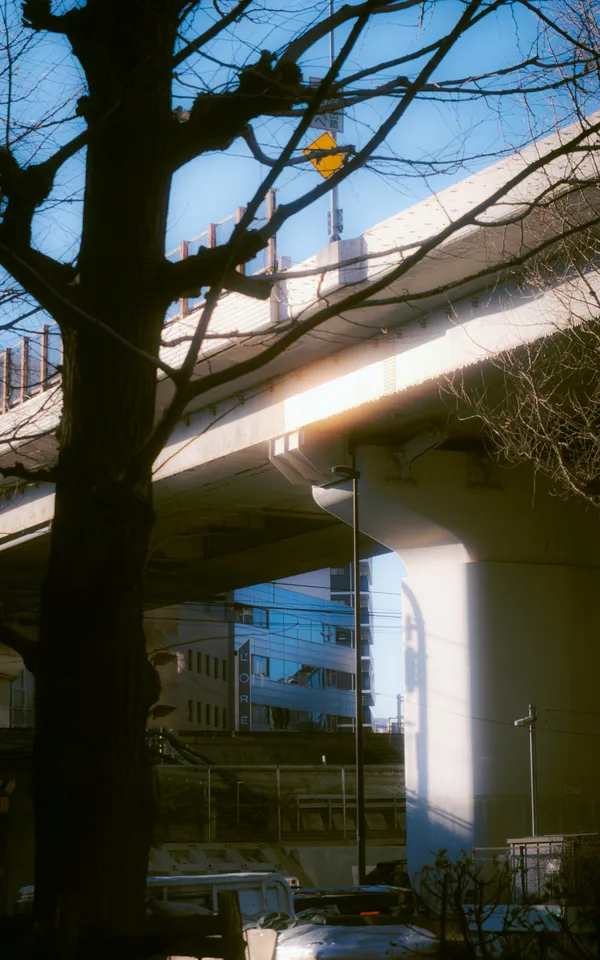
Glass towers and concrete passages belong to the same city, though we often describe them separately. Looking at the spaces between buildings brings the ordinary work of arrival, waiting, and passage into view.

The choices that give an idea a usable form. Follow drawings, prototypes, and revisions through the details of an object, an interface, or a shared space.
Glass towers and concrete passages belong to the same city, though we often describe them separately. Looking at the spaces between buildings brings the ordinary work of arrival, waiting, and passage into view.
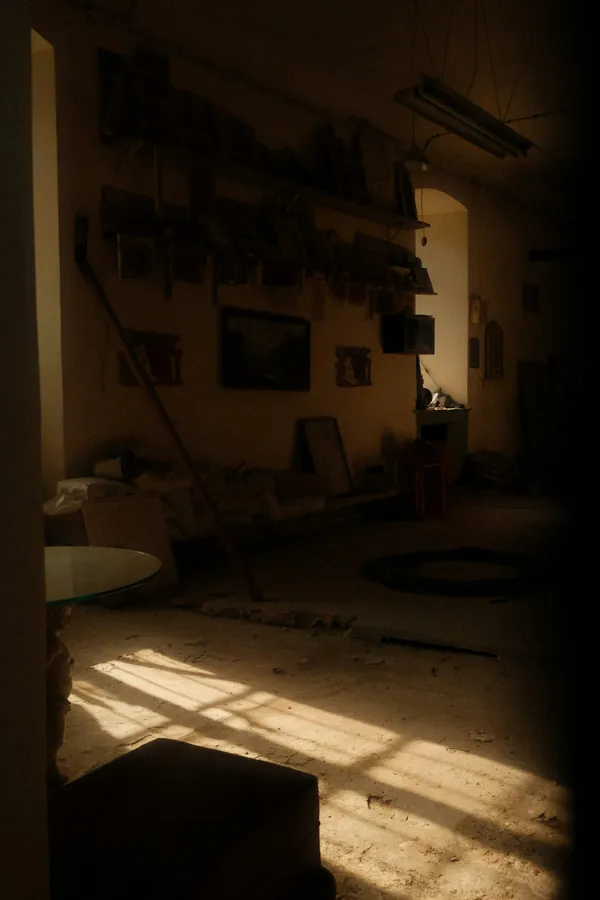
A working wall fills up easily. Keeping it useful takes a little editing: deciding which drawings still matter, where open questions belong, and when a familiar sheet of paper has become part of the furniture.

An interface sets a pace through familiar controls, visible progress, and the moment it tells us a task is finished. Looking closely at those transitions reveals where a little patience belongs and where it becomes unnecessary work.
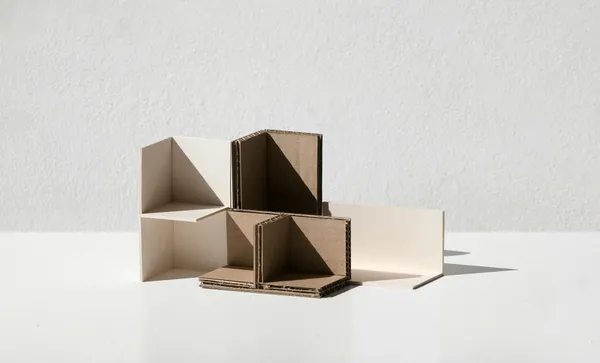
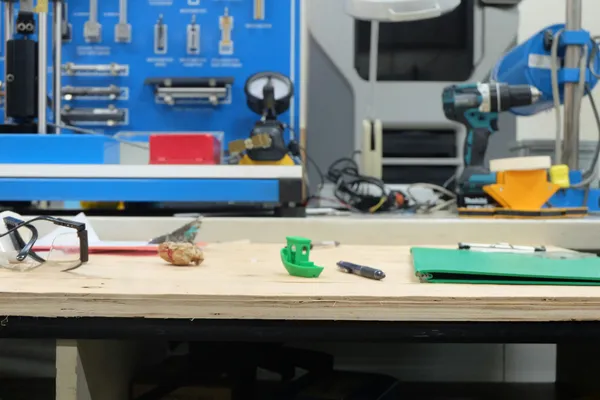
Unfinished work needs somewhere to remain unfinished. A shelf, a wall, or an available corner of the table can give rough versions enough time to be considered without allowing every abandoned experiment to occupy the room.
A revision goes better when the current version has been read carefully. Before moving another line, sort observations from suggestions and decide which question the next draft is meant to answer for the people reviewing it.