A half-finished carving is a pleasant thing to find waiting. The shape is recognizable, though one side still belongs mostly to the block it came from. A pencil mark remains beside a curve you like. You can turn the piece over in your hand before deciding whether this is an evening for doing much at all.
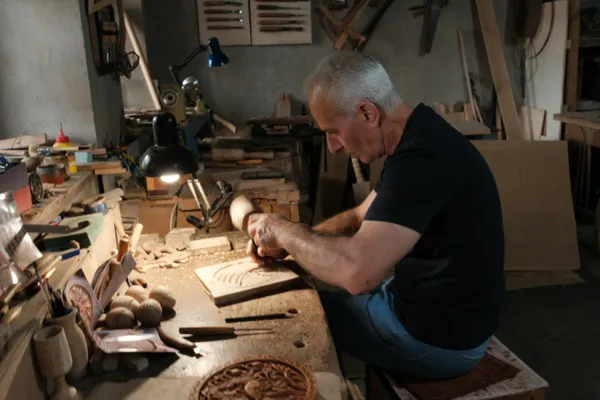
An old workshop has room for this sort of acquaintance. The table may carry dark patches whose origins nobody needs to explain. A drawer holds the pencil that is always a little shorter than you remember. There are offcuts with promising shapes, kept because they might become useful or because they are simply pleasant pieces of wood. I enjoy a working place that has gathered its character through being used. The objects have found their positions gradually, according to somebody’s reach and the space a particular task required. A visitor might see a crowded bench. The person who returns to it knows where there is room to set down a cup, which little box contains the thing they were looking for, and where the unfinished carving was left. Familiarity gives an unremarkable corner of a room a considerable attraction.
The project itself can be modest. A small animal, a simple ornament, or a shape with no job beyond feeling good in the hand is enough. You can want to make a bird without needing it to become a perfect account of a bird. The roundness of its body may be the part you enjoy most. A slightly improbable head can give the whole thing a character worth keeping.
A little more to see
The unfinished piece can wait between visits, keeping its place among the tools and the ordinary life of the workshop.
The wood has a picture of its own
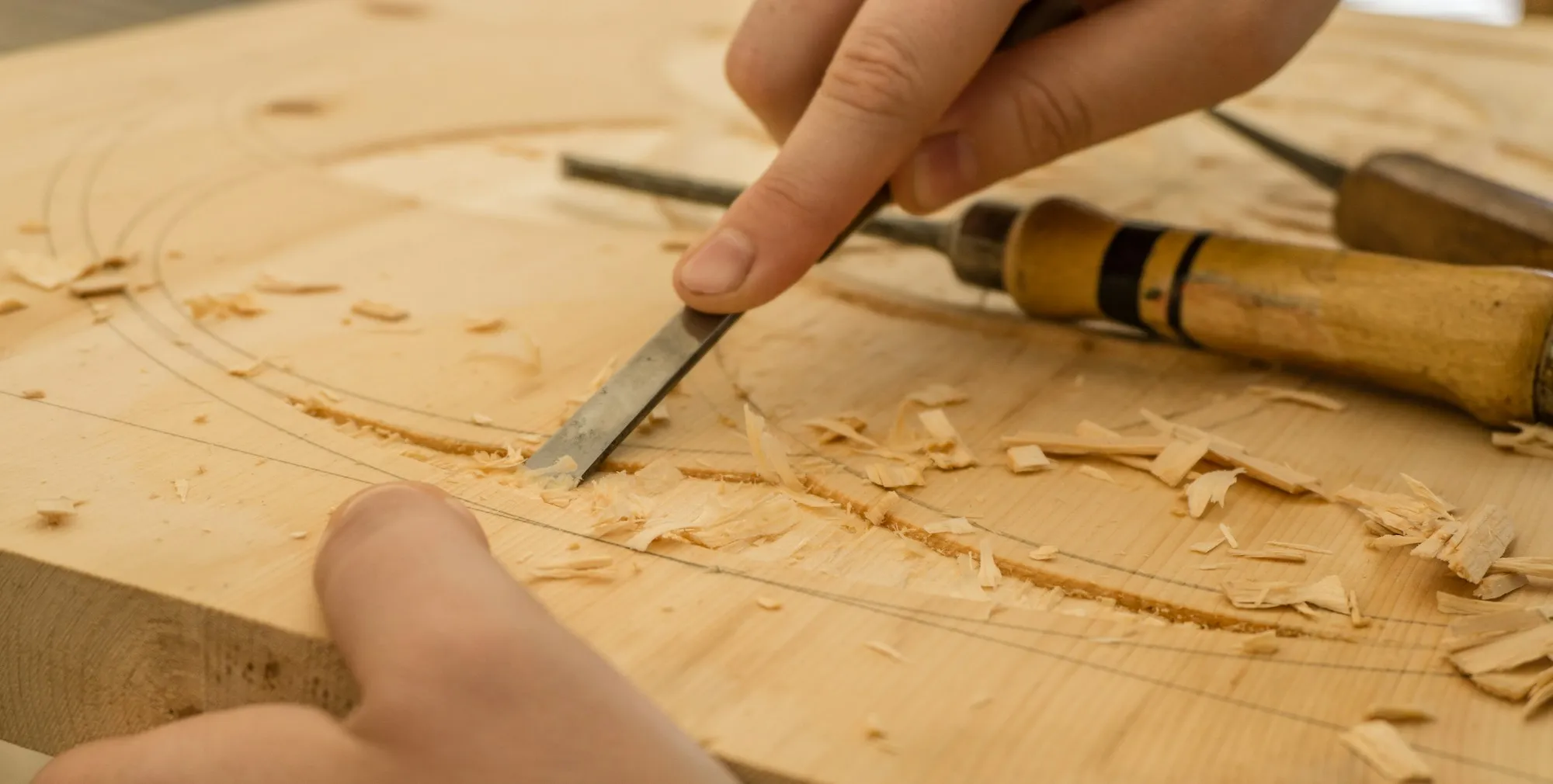
Before the shape is complete, the surface already offers plenty to look at. Pale lines pass through a darker patch. Turn the piece and a mark that seemed quite definite becomes less noticeable. There is pleasure in this changing picture, especially when it meets the form you have been imagining. A streak might look like a feather, then lose the resemblance when you look from another side. The carving can keep that ambiguity. It is still a piece of wood, carrying its own pattern through whatever shape you give it. Some parts invite a closer look simply because their color is different from the patch beside them.
I like the idea of a project small enough to fit in a hand and patient enough to wait between visits. The shape stays on the bench while the rest of the week carries on. When you come back, the wood is still there, with the same unfinished curve and a little more to look at.
A short visit is allowed to stay short. You might spend most of it looking, comparing the piece with a sketch, or enjoying the way it sits beside the other things on the table. An evening can be satisfying without leaving an obvious transformation behind.
The repeated visits give the work a familiar rhythm. The piece comes into the hand, turns, and returns to the bench. Attention moves between the larger outline and a very small patch of surface. Now and then the hand stops while the eye catches up. These pauses belong to the pleasure of doing something yourself. You can remain with the detail that interests you for a while, leaving the rest of the piece alone until something else draws the eye. A curve you want to look at again is a perfectly reasonable reason to return.
I like the idea of a project small enough to fit in a hand and patient enough to wait between visits. The shape stays on the bench while the rest of the week carries on. When you come back, the wood is still there, with the same unfinished curve and a little more to look at.
Something of your own
There is a different sort of attachment to an object you have spent several evenings with. You know the part that remained awkward for longer than expected and the small feature that appeared almost by accident. Another person may notice neither. They might enjoy its weight or laugh at the expression on the little animal’s face. That response can be a pleasure in itself. The carving gets to become an object in somebody else’s hands, free of the running account its maker carries around it. You can explain a little or let them keep looking. If it becomes a gift, those private details need not accompany it as a list of difficulties overcome. A person can simply receive a small wooden thing made with them in mind, and find a place where they like to keep it.
Keeping it yourself is enjoyable too. The finished piece may sit on a shelf beside a book or spend a while on the kitchen table. Pick it up occasionally and the shape has become familiar in a new way, available without the expectation that you will change it.
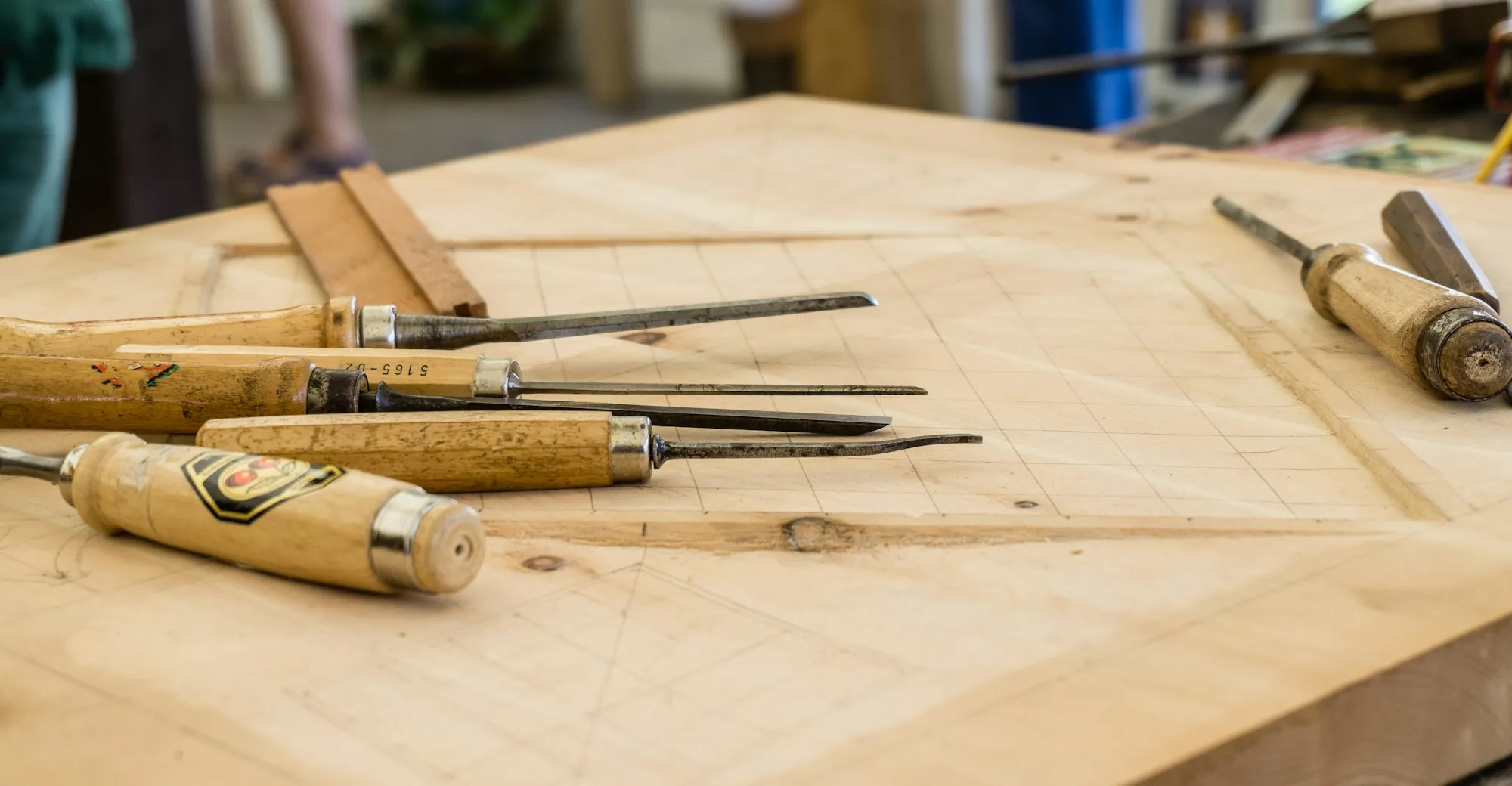
Back in the workshop, a little space has opened on the bench. Another offcut may already have attracted your attention, or the next project may remain undecided. The familiar table is still there, with its pencil and its dark patches. One evening you may bring in a piece of wood because you like its color. Set beside the others, it offers a different shape to think about on the next visit.